- The Sovereign Signal
- Posts
- 2 More Weeks Of Hormuz Closure And This Could Get Worse Than COVID And The GFC Combined
2 More Weeks Of Hormuz Closure And This Could Get Worse Than COVID And The GFC Combined
Most people will read this post and see an oil story. That is not what it is. It is a systems story. It is a story about what happens when a genuine physical disruption hits a world that has been engineered around three assumptions.

Luke Lovett
April 03, 2026
Most people will read this post and see an oil story.
That is not what it is.
It is a systems story.
It is a story about what happens when a genuine physical disruption hits a world that has been engineered around three assumptions:
energy will always arrive
financing will always roll
and shortages will always be solved before they become socially or financially destabilizing
That is the real issue.
Because in the most indebted and leveraged global economy in recorded history, a supply loss of 7% to 11% of global oil is not merely “inflationary.”
It is an assault on the timing, funding, distribution, and confidence architecture of the entire system.
And that is what most people still do not understand.
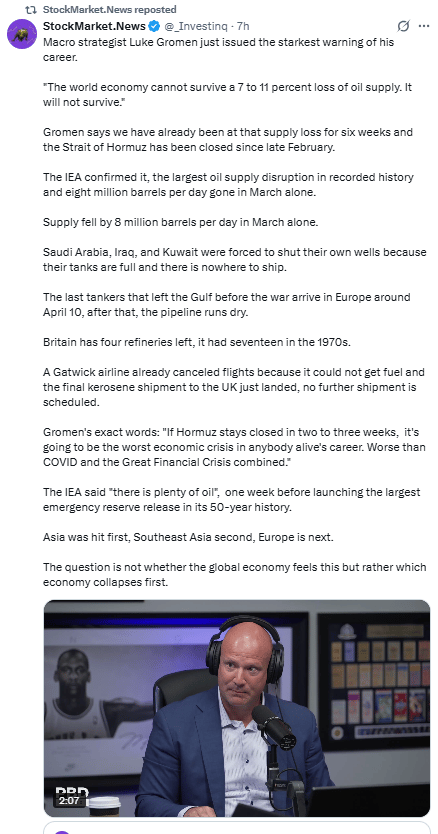
Read between the lines
The line everyone will focus on is:
“The world economy cannot survive a 7 to 11 percent loss of oil supply.”
But the deeper signal is not the percentage.
The deeper signal is the word survive.
That word is doing a lot of work.
Because what Gromen is really saying is not:
“Oil prices will go up.”
He is saying:
the system is no longer robust enough to absorb a real-world interruption gracefully.
That is a completely different statement.
That is not a commodity statement.
That is a statement about the structural fragility of the modern global order.
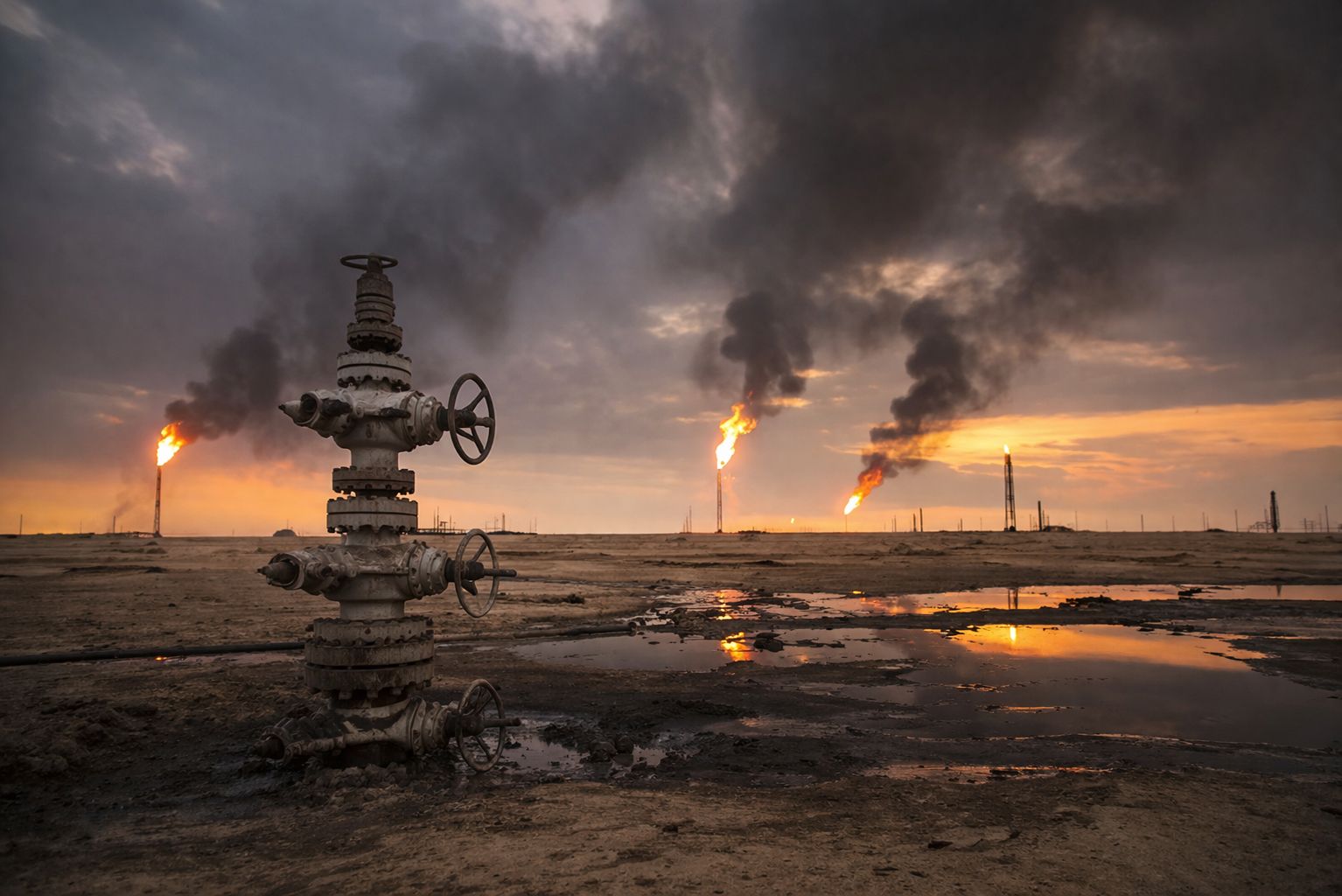
That line should stop people cold.
Because it means this is not a simple “not enough oil exists” problem.
It means something more dangerous:
the system is breaking at the distribution layer.
There may be molecules.
There may be production.
There may even be barrels that exist in theory.
But if storage is full, tankers cannot move, routes are blocked, and product cannot get to the place where it is needed when it is needed, then “supply” becomes an accounting illusion.
That is the hidden story.
The market does not clear on oil existing somewhere.
The market clears on deliverable oil reaching the right geography in the right time window.
And once that breaks, the language of abundance becomes meaningless.
That is why this is not just an oil shock.
It is a logistics paralysis shock.
“Britain has four refineries left, it had seventeen in the 1970s”
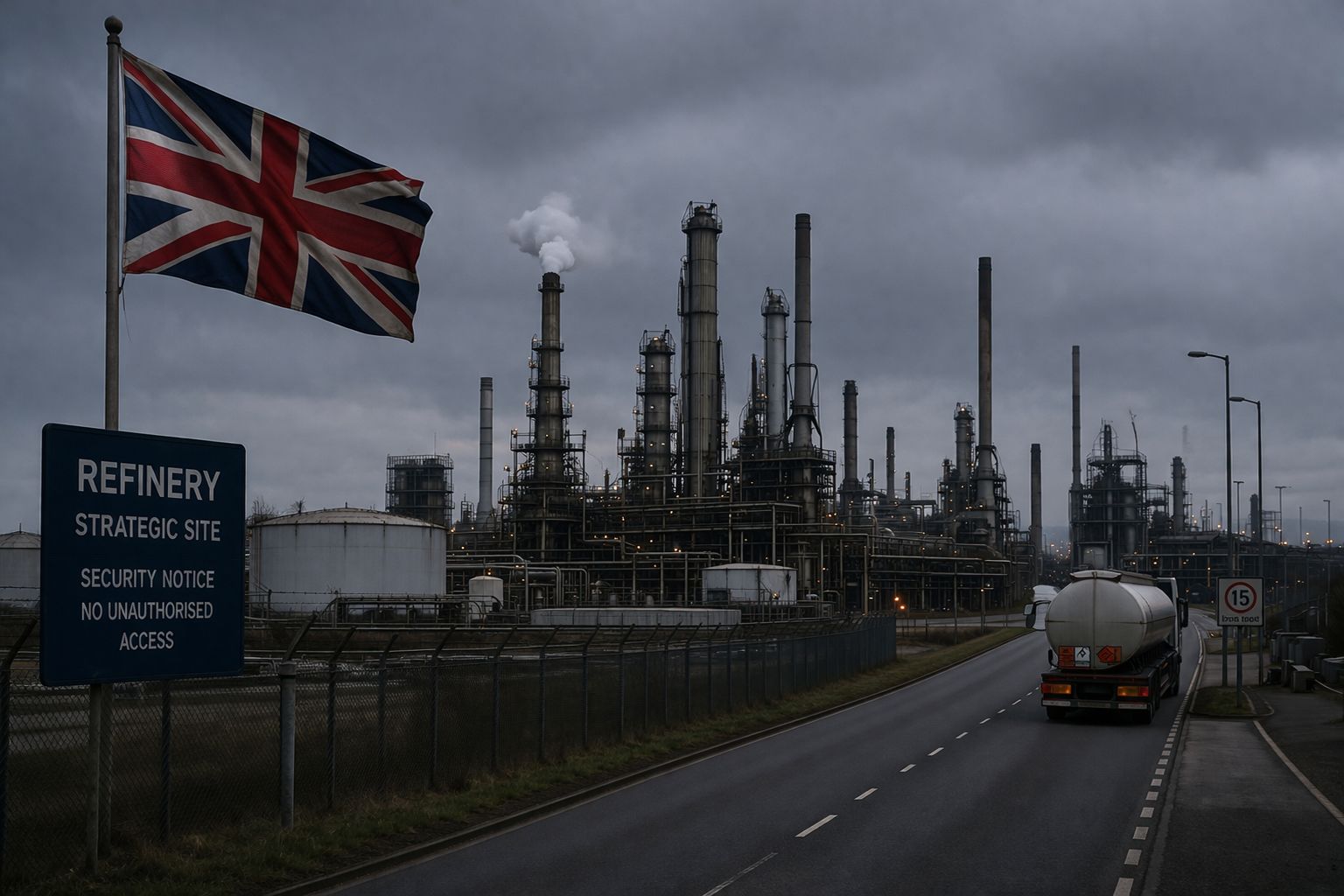
That is not trivia.
That is the entire modern world in one sentence.
We built a system optimized for:
efficiency
financialization
low inventory
just-in-time logistics
thin redundancy
and the assumption that supply chains would remain smooth enough that resilience could be sacrificed for margins
So when people compare this to the 1970s, they miss the most important difference.
The 1970s had less debt, less leverage, less derivatives, less passive concentration, less private credit, less sovereign refinancing pressure, and far more industrial redundancy.
This system is richer in data and poorer in resilience.
That is why a modern oil shock is potentially more dangerous, not because the commodity itself is more important than before, but because the shock absorbers are weaker.
We removed the buffers.
Then we added leverage.
Then we told ourselves efficiency was strength.
“A Gatwick airline already canceled flights because it could not get fuel”
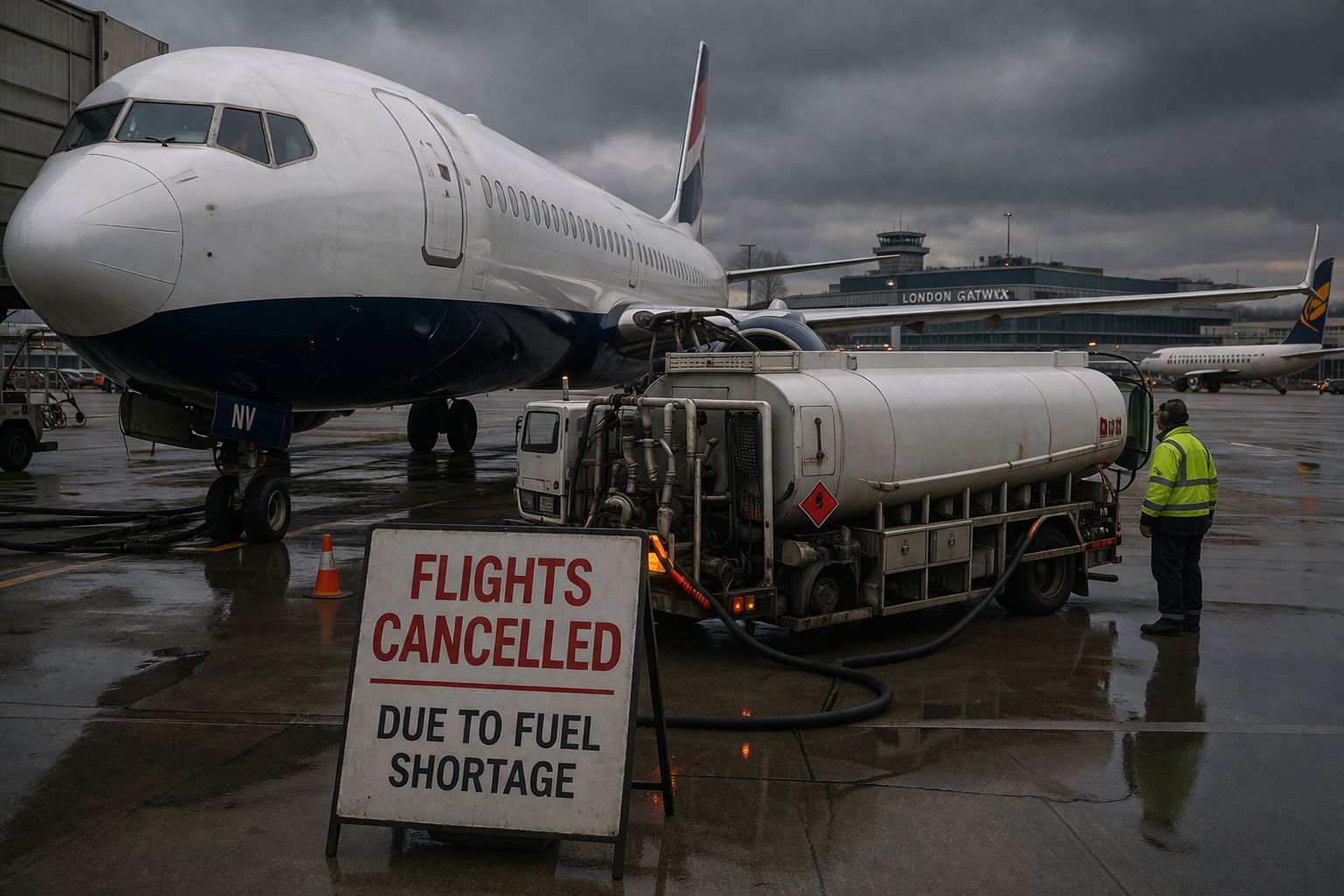
That line is more important than it looks.
Because that is the point where macro stops being theoretical.
Flights do not get canceled because of abstract supply-demand curves.
Flights get canceled because the real economy has started colliding with physical unavailability.
That is the translation layer from:
macro stress
to
lived breakdown
This is how it starts:
one airport
one route
one shipment missed
one refinery constrained
one trucking lane tighter than expected
And because the world is now so synchronized, those “small” disruptions travel fast.
This is what people miss about hyper-interconnection.
It does not just spread growth.
It spreads fragility.
“Asia was hit first, Southeast Asia second, Europe is next”
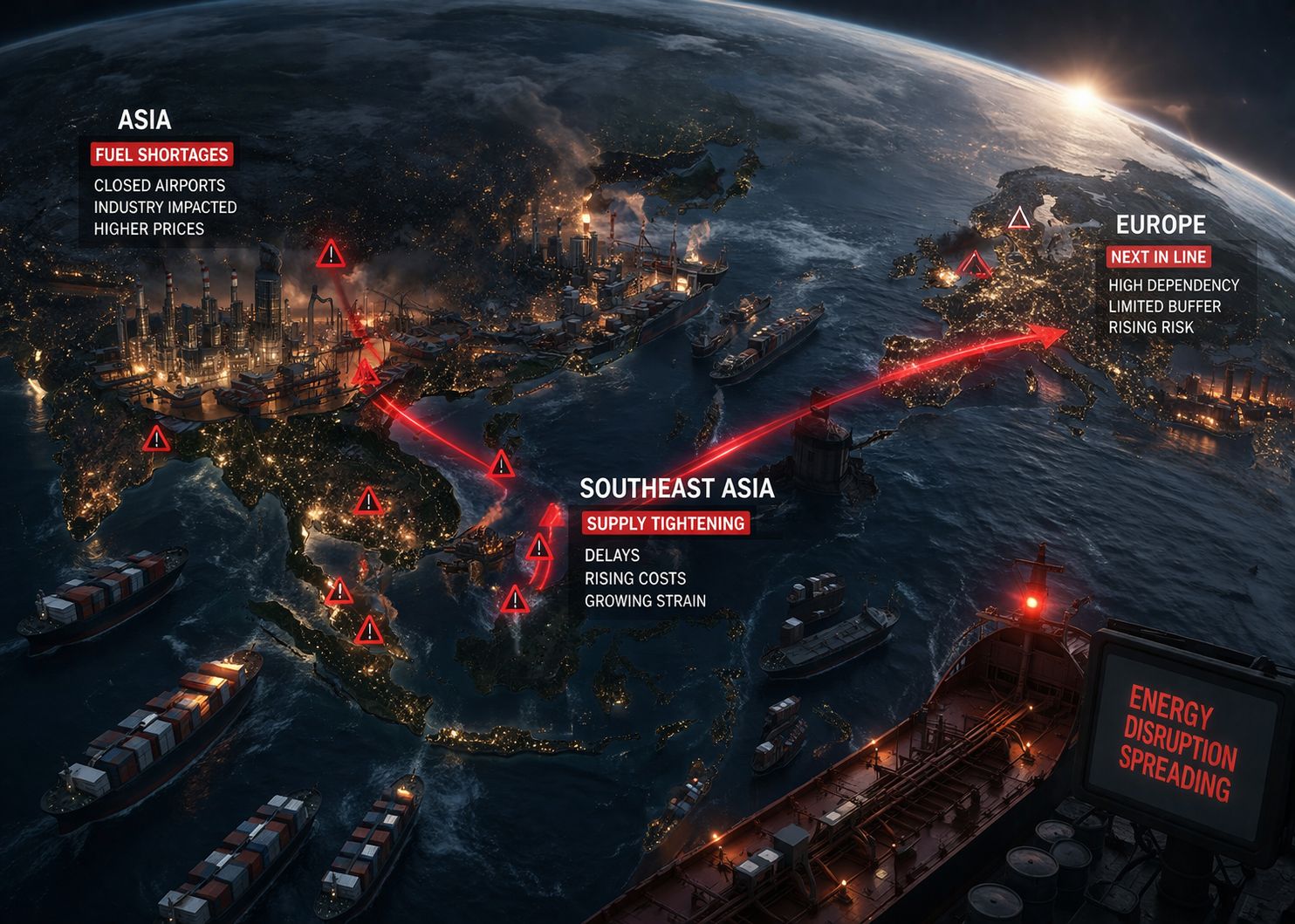
That is a map of transmission.
Not just geography.
Transmission.
In a leveraged system, the question is never just:
“Is there enough in total?”
The real question is:
Who gets hit first by timing mismatches, routing problems, payment strain, and priority competition for scarce flow?
That is why the sequencing matters.
The system does not fail all at once in one headline.
It fails in waves of regional discoverability.
One region discovers the shortage first.
Another discovers it through price.
Another discovers it through canceled activity.
Another discovers it through bond yields, spread widening, and tighter financial conditions.
Same shock.
Different discovery points.
That is how systemic stress travels.
“The question is not whether the global economy feels this but rather which economy collapses first”

That line sounds sensational.
It isn’t.
It is precise.
Because in this world, collapse does not necessarily mean Mad Max.
It means:
which economy loses pricing power first
which sovereign loses market confidence first
which importer loses currency stability first
which industrial system starts rationing first
which funding structure buckles first
That is what collapse means in a financialized empire.
Not Hollywood collapse.
Transmission collapse.
The economies most at risk are not necessarily the ones with the worst headlines.
They are the ones with the weakest combination of:
energy access
fiscal room
external funding resilience
and industrial flexibility
That is the game now.

Access the Signal Behind the Distortion
Debt-fueled distortions are warping stocks, credit, and global liquidity. We track the structural signals building beneath the surface — gold, silver, and the asymmetric setups mainstream coverage overlooks.
Already a paying subscriber? Sign In.
Reply